Professional Mold Assessment and Remediation Guidelines for Tennessee
Professional Mold Assessment and Remediation Guidelines for Tennessee
Blog Article
Discovering hidden water leaks can rapidly trigger dangerous fungal spore proliferation inside residential homes. When structural dampness occurs, hiring a certified mold assessment across Tennessee is critical to ensure safe indoor air quality. Microscopic mold spores can begin multiplying across drywall and wood framing within 24 to 48 hours of initial water contact, making rapid diagnostic intervention necessary.
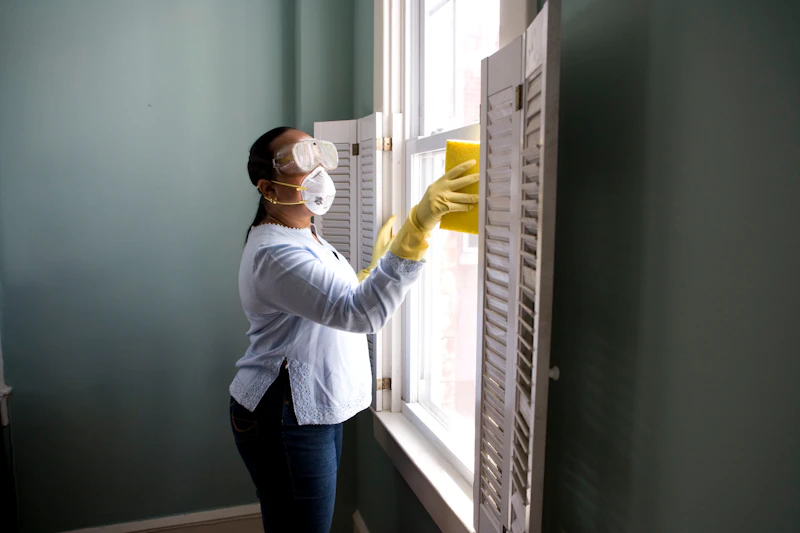
The Critical Importance of Immediate Mold Assessment in Tennessee
Homeowners and facility managers dealing with damp environments frequently underestimate how quickly subsurface fungal colonies can establish root systems within cellulose-rich building materials. A professional diagnostic indoor air quality survey provides an authoritative determination of the contamination extent rather than relying on guesswork. In Tennessee, where storm-related precipitation create ideal breeding conditions for fungi, prompt diagnostic testing prevents costly demolition.
Recognizing the Warning Signs of Indoor Microbial Growth
While some fungal outbreaks present as visible black, green, or white surface discoloration, hazardous mold colonies often remain tucked away in ceiling plenums and crawlspaces. Key warning signs that require professional evaluation include:
- Persistent Musty Odors: An unmistakable pungent odor that lingers even after routine cleaning strongly indicates active microbial metabolism (MVOCs) behind walls.
- Visible Wall and Ceiling Staining: Dark spotting, yellow water rings, or velvety growth along moisture paths.
- Recurring Respiratory Complaints: Occupants experiencing frequent coughing, sneezing, nasal congestion, or eye irritation specifically while indoors.
- Past Plumbing or Roof Leaks: Any property with a history of burst pipes, sewer backups, roof compromises, or foundation seepage carries a high likelihood of latent fungal reserves.
- Structural Material Degradation: Softened drywall, warped baseboards, or spongy flooring indicating chronic moisture saturation.
Understanding the Health Hazards of Toxic Mold
Chronic exposure to toxic fungal particulates can create severe indoor air quality complications for both healthy individuals and vulnerable demographics such as children, the elderly, and immunocompromised residents. Certain fungal genera, including Stachybotrys chartarum, Aspergillus, and Penicillium, produce secondary chemical metabolites known as click to continue mycotoxins.
Prolonged exposure to these airborne biological pollutants can trigger chronic sinus infections, asthma exacerbation, pulmonary irritation. Because symptoms can mimic standard seasonal allergies, having unbiased air quality laboratory data is essential to establish whether the living environment is contributing to physical illness.
The Role of HVAC Systems in Spore Distribution
Central heating and air conditioning systems often act as superhighways for airborne mold spores. When microbial growth develops near air handler units, evaporator coils, or damp ductwork insulation, the mechanical blower continuously disperses millions of microscopic spores into every room. A certified assessment determines whether mechanical ventilation components have been compromised, preventing cross-contamination from spreading into unaffected living zones.
Comprehensive Step-by-Step Professional Inspection Protocols
An accredited professional mold assessor conducts a comprehensive diagnostic protocol adhering to rigorous industry guidelines (such as IICRC S520 and ACAC standards). A standard comprehensive assessment incorporates the following sequential phases:
1. Visual Property Walkthrough and Infrared Thermography
The inspector performs an extensive visual examination covering all accessible areas, with special focus on high-risk zones such as basements, attics, crawlspaces, HVAC closets, and plumbing chases. Inspectors utilize high-resolution infrared thermal cameras to identify subtle temperature anomalies that indicate active structural leaks behind intact drywall without unnecessary physical destruction.
2. Digital Moisture Mapping and Humidity Evaluation
Using precision RF moisture meters and hygrometers, the technician records moisture content levels in drywall, wood studs, subflooring, and concrete slabs. Concurrently, ambient relative humidity and temperature are tracked to evaluate whether the indoor psychrometric environment supports active fungal germination.
3. Calibrated Indoor vs. Outdoor Air Quality Sampling
Air sampling represents a core diagnostic benchmark. Calibrated vacuum pumps draw measured volumes of air through specialized spore trap cassettes (such as Air-O-Cell). Standard methodology requires collecting control samples from the exterior baseline environment alongside multiple indoor target samples. Comparing indoor spore counts and species ratios against outdoor baseline air allows environmental scientists to confirm whether an amplified indoor fungal ecology exists.
4. Surface Physical Sample Collection
When physical staining or suspicious microbial residue is discovered, technicians gather direct surface tape lift impressions, sterile swab samples, or physical bulk material cutouts. These physical specimens allow lab technicians to confirm whether visible discoloration represents active fungal hyphae or harmless inert staining.
Accredited Third-Party Laboratory Analysis and Chain of Custody
To preserve legal and scientific objectivity, all collected air and surface samples are sealed under strict documented custody protocols and dispatched to a certified third-party testing laboratory. Lab analysts use direct optical microscopy and specialized staining methods to enumerate total spore concentrations per cubic meter (count/m³) and classify identified genera, including:
- Cladosporium: Commonly found on damp substrates, frequently associated with allergic sensitization and respiratory irritation.
- Penicillium / Aspergillus group: Highly volatile, easily aerosolized spores that proliferate in humid wall cavities and HVAC ductwork.
- Stachybotrys (Black Mold): A heavy, toxigenic water-damage indicator that thrives on chronically saturated cellulose materials.
- Chaetomium and Ulocladium: Diagnostic indicators of chronic, severe water damage and prolonged structural dampness.
Insurance Protocols and Real Estate Disclosures
Property insurance adjusters demand objective scientific evidence to approve water damage and mold remediation claims. Having a documented Chain of Custody inspection report substantiates the timeline and source of water damage. Furthermore, during real estate transactions in Tennessee, certified assessment documentation provides essential legal disclosure protection for buyers, sellers, and property managers alike.
Understanding the Difference: Independent Assessment vs. Remediation
Industry best practices require hiring independent assessment firms that do not execute remediation work. When the same company conducts testing and performs paid cleanup, an inherent conflict of interest exists. An independent assessment consultant provides unbiased documentation, establishing an accurate protocol without inflating repair scopes or exaggerating contamination severity.
Ensuring Complete Remediation Clearance
Following the completion of professional mold remediation, property owners must obtain independent clearance testing before containment barriers are removed and drywall is rebuilt. The independent inspector conducts a thorough white-glove visual inspection followed by follow-up air quality clearance sampling. A passing clearance report confirms that airborne spore counts inside the containment zone are statistically equal to or lower than outdoor background levels, ensuring the building is safe for re-occupancy.
State Guidelines, Compliance, and Selecting a Certified Inspector in Tennessee
Hiring a qualified third-party environmental assessment firm ensures complete impartiality because a legitimate testing firm does not perform remediation work, eliminating any conflict of interest. When evaluating environmental assessment providers across Tennessee, confirm that their field technicians maintain respected industry credentials such as ACAC (Council-certified Indoor Environmentalist - CIE / CIEC) or IICRC certifications.
For accredited emergency mold inspection contractors and regional guidelines across Tennessee, check the official state directory resource.
Report this page